
Does weed expire? You open a bag of flower you’ve had for a while, and something has changed. The aroma isn’t as noticeable, the buds feel dry, and you’re wondering whether it’s still worth using.
Cannabis can lose freshness and potency over time, and some products can spoil. However, there’s a difference between flower that has passed its peak and a product that may be unsafe to consume.
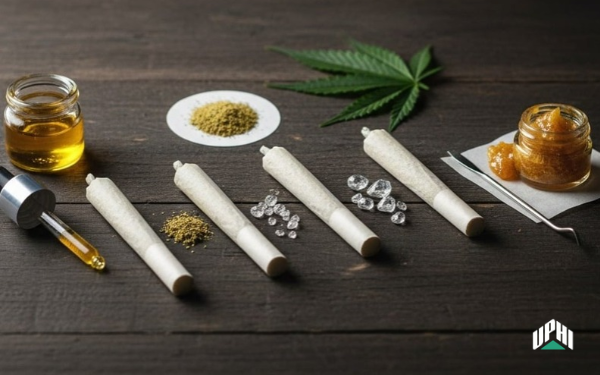
At UpHi Cannabis Emporium, we want you to get more out of your cannabis purchases by understanding how to look after them. From flower and pre-rolls to CBD oils, gummies, vapes and live rosin, here’s what you should know about shelf life, storage and signs of deterioration.
Does Cannabis Have an Expiry Date?
There isn’t one expiry timeline that applies to every cannabis product. Shelf life depends on the ingredients, production methods, packaging and storage conditions, including what happens after opening.
Dried flower typically changes gradually. Its aromatic compounds can fade, its moisture level can shift, and its cannabinoids can change over time. An older bag may smell less pronounced or deliver a different experience without necessarily being contaminated.
Edibles, oils and topicals introduce another consideration: their non-cannabis ingredients. Chocolate, carrier oils and cream formulations can deteriorate independently of the cannabinoids they contain.
Check for any expiry or best-before date and follow the manufacturer’s directions. A best-before date generally describes the quality of an unopened food product stored as directed, rather than guaranteeing its safety. Even better is to find a harvest date, which isn’t always available but gives a much clearer picture of when the flower was actually grown, harvested, cured and then packaged. Some brands will store cannabis for weeks, even months, before packaging it.
A calendar date is useful information, but it doesn’t replace proper storage or attention to a product’s condition.
Why Cannabis Storage Matters
Good storage helps protect the qualities you bought the product for: its aroma, flavour, texture and cannabinoid content.
It won’t stop every change or make cannabis last indefinitely. It can, however, slow avoidable deterioration. A tightly sealed package in a dark cupboard has a better chance of holding its quality than an open bag left in a hot car.
The four main factors to manage are air, light, heat and moisture.
Air: Close the Package After Every Use
Exposure to air can allow flower to dry out, while oxygen contributes to chemical changes in cannabis over time. Leaving containers open also gives volatile aromatic compounds more opportunity to escape.
Reseal bags fully and close lids promptly. An airtight container helps maintain a more consistent environment.
Light: Keep Cannabis Away From Sunny Spots
Light exposure can contribute to cannabinoid degradation. Clear containers on windowsills or countertops offer little protection from sunlight.
Keep your cannabis in a dark cupboard, drawer or lockbox. If you use clear glass, the location matters: the jar should still be stored away from light.
Heat: Avoid Temperature Extremes
Heat can accelerate chemical changes, affect aroma and alter the consistency of oils, concentrates, chocolates and gummies.
THCA is the acidic precursor to THC found in much THC-rich flower and some concentrates. Heating converts THCA into THC through a process called decarboxylation. This happens intentionally during smoking, vaping or cooking, but storage conditions can also influence cannabinoid changes over time.
For everyday storage, avoid hot cars, heaters, sunny windows and cupboards beside ovens. Choose a cool location with reasonably stable temperatures, then follow any product-specific directions.
Moisture: Protect Flower Without Making It Damp
Too little moisture can leave cannabis flower brittle and crumbly. Too much can create conditions that encourage mold growth.
For dried flower, cannabis humidity packs commonly come in 58% or 62% relative humidity options. These refer to the air inside the sealed storage container, not the humidity of your entire home.
Choose a pack designed for cannabis and sized for your container and quantity. Follow its instructions. Humidity control can help maintain texture, but it cannot guarantee that flower is free from mold or restore compounds already lost.
How to Store Cannabis by Product Type
| Product | Where to keep it | Fridge? | Signs to check |
|---|---|---|---|
| Flower and pre-rolls | Cool, dark, securely closed packaging | No, a cool dark spot is enough | Brittle or dusty, unusually damp, mold |
| Oils and capsules | Tightly capped, original container, out of sunlight and heat | Only if the label says so | Unexpected consistency changes |
| Gummies, chocolates, beverages | Original child-resistant packaging, per label, away from ordinary food | Only as directed | Mold, damaged packaging, changed smell or appearance |
| Vapes and all-in-ones | Out of sunlight and hot cars, upright is commonly recommended | No | Damage, leaking, overheating, odd behaviour |
| Concentrates and hash | Original tightly sealed container, producer’s directions | Some, particularly live rosin | Unexpected texture change |
| Topicals | Tightly closed, away from heat and sunlight | Per label | Unusual smell, separation, texture change |
The label is always the starting point. Where a producer’s directions differ from this table, follow the producer.
Flower and Pre-Rolls
Keep flower in securely closed packaging, protected from light, heat and excess moisture. The same principles apply to THC-rich and CBD-rich flower.
Original child-resistant packaging is a practical starting point. If you transfer flower into an airtight glass storage jar, keep the original label and lot information, and store the jar locked away.
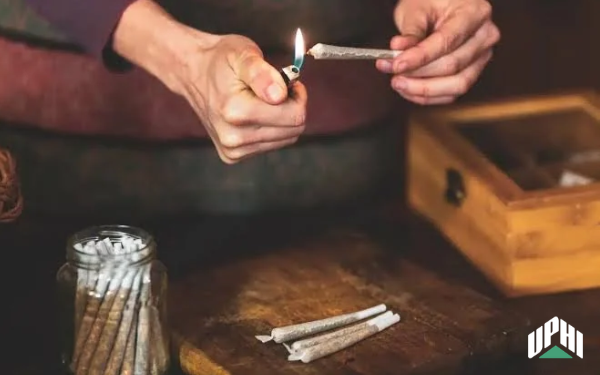
For pre-rolls, close the tube or package between uses. Avoid leaving loose pre-rolls in pockets, where they can become crushed or exposed to changing temperatures and moisture.
Avoid homemade moisture fixes such as fruit peels, bread or damp paper towels, which introduce uncontrolled moisture and possible contamination. A cannabis humidity pack is the controlled way to manage flower’s moisture.
CBD Oils, THC Oils and Capsules
Keep oils tightly capped in their original containers, away from sunlight and heat. Dark bottles offer some light protection, but they still belong in a suitable storage location.
Follow the label before refrigerating an oil. Refrigeration isn’t a universal requirement, and some formulations become thicker or cloudy when chilled. Changes caused by temperature aren’t automatically spoilage, but unexpected changes should be checked with the manufacturer.
Keep droppers clean and avoid touching them to your mouth before returning them to the bottle.
Capsules and softgels also need protection from heat and humidity. Their shells and other ingredients matter as much as the cannabinoids inside.
Gummies, Chocolates and Cannabis Beverages
Store edibles according to their label, including any instructions that apply after opening. Keep them in their original child-resistant packaging and separate from ordinary food and drinks.
Heat can melt chocolate and make gummies sticky. That doesn’t mean every chocolate or gummy belongs in the fridge. Refrigerate only as directed or recommended for the particular product.
For beverages, check whether refrigeration is required after opening and whether the label gives a timeframe for consumption.
Damaged packaging, visible mold or unexpected changes in smell or appearance are reasons to stop using the product. Don’t rely on a best-before date alone to decide whether it is safe.
Vape Cartridges and All-in-Ones
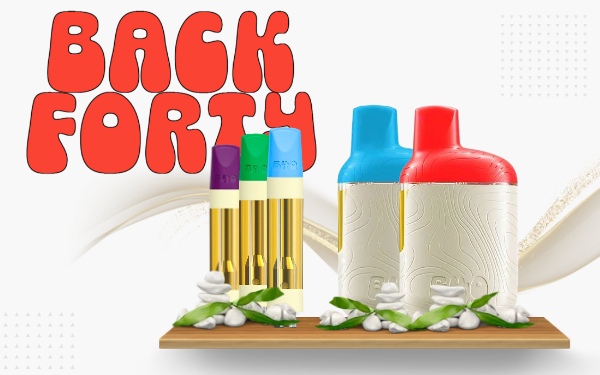
Keep vapes away from direct sunlight, hot cars and extreme temperatures. These are almost guaranteed ways to ensure you never finish your vape cart. Follow the manufacturer’s storage directions; upright storage is commonly recommended to help keep oil positioned appropriately inside the cartridge.
Oil colour and thickness vary between formulations. A darker colour alone doesn’t establish that a cartridge has expired. In fact, the contents of most carts are likely to oxidize (turn darker in colour) when they’re exposed to oxygen. It’s unavoidable, but rarely something to be concerned about.
Stop using a device that is damaged, leaking, overheating or behaving unusually. Contact the retailer or manufacturer if you have concerns about its condition.
Live Resin, Live Rosin, Hash and Other Concentrates
Concentrates need product-specific care. A jar of live rosin and a piece of hash may have different storage recommendations.
Keep concentrates in their original, tightly sealed containers and follow the producer’s directions. Some products, particularly live rosin, benefit from refrigerated storage to help preserve their character.
If you refrigerate a concentrate, allow the sealed container to reach room temperature before opening it. This helps prevent moisture from condensing onto the cold product.
Texture changes aren’t always spoilage. Some concentrates become firmer, softer or more crystalline over time. Check unexpected changes with the producer rather than assuming every change is harmless, or that every change means the product has expired.
Topicals
Cannabis creams, balms and lotions should stay tightly closed and away from heat and sunlight.
Their oils, waxes, preservatives and other ingredients have their own storage needs. Follow the label and use clean hands or an appropriate clean applicator.
An unusual smell, unexpected separation or a significant change in texture deserves attention. Don’t assume a topical lasts indefinitely because it contains cannabis.
Should You Refrigerate or Freeze Cannabis?
There’s no single answer for every format.
For everyday flower storage, a cool, dark location and securely sealed packaging are a straightforward approach. Regularly moving flower between cold storage and a warm room can introduce condensation, particularly when a cold container is opened.
Some concentrates have different requirements and may benefit from refrigeration. Oils, edibles and beverages should be stored according to their specific instructions.
Use the product label as your starting point instead of putting every cannabis product in the fridge or freezer. If you’re planning longer-term storage, ask the producer about the particular formulation and packaging.
How to Tell Whether Cannabis Has Gone Bad
Your senses can reveal changes in quality, but they cannot confirm that a product is safe.
A Faded Aroma Versus an Unusual Smell
A weaker flower aroma can indicate lost freshness. A musty or mildew-like smell is more concerning.
Don’t inhale deeply to investigate suspected mold, and don’t consume questionable cannabis to see what happens.
Suspicious Growth or Changes in Appearance
Flower naturally varies in colour, so purple, dark green or brownish tones alone don’t prove spoilage.
Unexpected fuzzy patches, web-like growth or unusual powdery material deserve caution. Mold can sometimes be difficult to distinguish from the trichomes that give cannabis its frosty appearance.
If you suspect mold, stop using the product. Cutting away a visible patch, cooking it or smoking it is not a reliable way to make it safe.
Unusual Texture
Flower that crumbles entirely into dust is likely too dry and may be less enjoyable. Dryness alone doesn’t prove contamination, and many people don’t mind a dry joint or bowl.
Unusually damp flower is a different concern because excess moisture can support microbial growth. Don’t assume questionable flower can be made safe by drying it out.
For oils, edibles and topicals, pay attention to unexpected changes in consistency, smell and packaging condition, while remembering that some temperature-related changes are normal for particular formulations.
Stale or Unexpected Flavour
Older cannabis may taste muted or stale. However, taste is not a safety test. Don’t sample a product that looks moldy, smells suspicious or has other signs of contamination.
Can You Bring Old Cannabis Back to Life?
A humidity pack may improve the texture of dry flower, but it can’t replace lost aroma compounds or reverse cannabinoid degradation.
It also cannot make contaminated cannabis safe.
If you suspect mold or a product defect, stop using it and contact the retailer or manufacturer. Keep the packaging and lot number available so they can identify the product.
A Simple Routine for Fresher Cannabis
- Close your packaging after every use.
- Keep products away from heat and sunlight.
- Buy quantities that suit how often you use them.
- Check labels for storage directions.
- Inspect products periodically instead of forgetting them at the back of a drawer.
Keep all cannabis locked away, out of sight and reach of children and pets, even products that contain primarily CBD.
Have questions about storing a particular product? Ask the team at UpHi Cannabis Emporium in St. Catharines, on Geneva Street or Glenridge Avenue. We can help you understand the packaging and find the producer’s guidance so you can look after your cannabis at home.